Comprehensive Wall Repair: Fixing More Than Surface Cracks
A hairline crack in a wall is easy to spot and easy to cover with filler and a coat of paint. The harder question is why the crack appeared in the first place. In the Blue Mountains, where steep terrain, reactive soils, heavy seasonal rain, cold winters, and bushfire-season heat all put stress on buildings, a crack is often a symptom of a bigger problem. Comprehensive wall repair looks past the visible damage to find and fix the cause, so the repair lasts.
Why Surface Patching Often Fails
Patching a crack without understanding it is a bit like taking a painkiller for a broken bone. The cosmetic problem disappears for a while, then returns. Common reasons a quick fix fails include:
- Ongoing movement: If the footing, soil, or frame is still shifting, the crack will reopen.
- Moisture behind the surface: Water trapped in a wall cavity or masonry causes bubbling paint, salt deposits, and crumbling material.
- Poor material matching: Rigid fillers on a flexible wall, or the wrong mortar in old brickwork, can cause new cracks beside the repair.
- Unaddressed drainage faults: Overflowing gutters or blocked downpipes can saturate walls and foundations.
A proper assessment identifies whether you are dealing with cosmetic shrinkage, thermal movement, water damage, or structural movement.
Reading the Cracks: What They Tell You
Hairline and Shrinkage Cracks
Fine cracks under about 1 mm wide in plaster or render are usually caused by normal drying, minor temperature changes, or seasonal movement. These are generally cosmetic, but they should still be sealed with a flexible product so moisture cannot enter.
Stair-Step Cracks in Brick
Cracks that follow the mortar joints in a diagonal stair-step pattern often point to differential movement in the footing or foundation. If they are wider than a few millimetres, taper in width, or are accompanied by sticking doors and windows, have the wall inspected by a qualified builder or structural engineer before any repair begins.
Horizontal Cracks
Horizontal cracking can indicate lateral pressure, such as soil pushing against a retaining or basement wall, or corroding wall ties in cavity brickwork. These are more serious and call for professional diagnosis.
Cracks With Staining or Damp
Any crack accompanied by discolouration, mould, efflorescence (white salty residue), or a musty smell suggests moisture is involved. The water source must be found and stopped first, whether it is a failed gutter, a leaking roof, rising damp, or a plumbing leak.
Brick Wall Repair and Restoration
Many older Blue Mountains homes, from Federation cottages to mid-century builds, feature brickwork that has weathered decades of freeze-thaw cycles and damp conditions. Quality brick wall maintenance can extend the life of these walls by many years.
Brick Repointing and Mortar Replacement
Mortar is designed to be the sacrificial part of a brick wall. As it erodes, water gets in and the bricks themselves begin to deteriorate. Brick repointing services involve carefully raking out failed mortar to a suitable depth, cleaning the joints, and filling them with fresh mortar. Key points include:
- Use mortar that is the same strength as, or slightly softer than, the original bricks. Overly hard cement mortar on soft historic bricks can cause the bricks to spall.
- Match the colour, texture, and joint profile for a consistent appearance.
- Avoid power grinders on heritage brickwork where possible, as they can damage brick edges.
- Work in suitable weather. Mortar should not be applied in frost or in extreme heat.
Thorough brick mortar restoration improves brick wall weatherproofing and helps maintain brick structural integrity.
Brick Deterioration and Erosion Control
Brick deterioration repair addresses spalling faces, cracked units, and crumbling surfaces. Damaged bricks can often be cut out and replaced with matching units. Tackling the cause, usually moisture, is part of effective brick erosion control. This may involve improving drainage, correcting ground levels, repairing leaking gutters, or applying a breathable protective treatment. Avoid non-breathable sealers on older brickwork, as they can trap moisture and accelerate damage.
Expansion Joints
Long brick walls need movement joints to handle thermal expansion and contraction. If joints are missing, blocked with mortar, or filled with hardened sealant, vertical cracks can appear. Brick expansion joint repair involves clearing the joint and installing a compressible backing and flexible sealant. This is an important part of brick durability enhancement.
Structural Repair and Reconstruction
When bricks have bulged, corroded wall ties have failed, or sections have lost stability, brick structural repair may include installing helical stabilising ties, replacing damaged lintels, or rebuilding affected sections. In more severe cases, brick wall reconstruction is the safest option. A brick facade repair may also be needed where the outer leaf is separating from the structure behind it. Structural work should be assessed by an engineer and carried out by licensed professionals, with council approval where required.
Thermal Performance
Solid brick walls have thermal mass but limited insulation. For homes in the cooler upper Blue Mountains, brick thermal insulation upgrades, such as internal insulated linings or insulation in cavity walls where suitable, can improve comfort and reduce heating costs. Always check that any insulation approach manages moisture properly.
Water: The Hidden Cause Behind Many Wall Problems
Walls rarely fail on their own. Water is the most common contributor, and it frequently arrives from the roof and gutters. That is why comprehensive wall repair works best when the whole building envelope is considered.
Gutters and Drainage
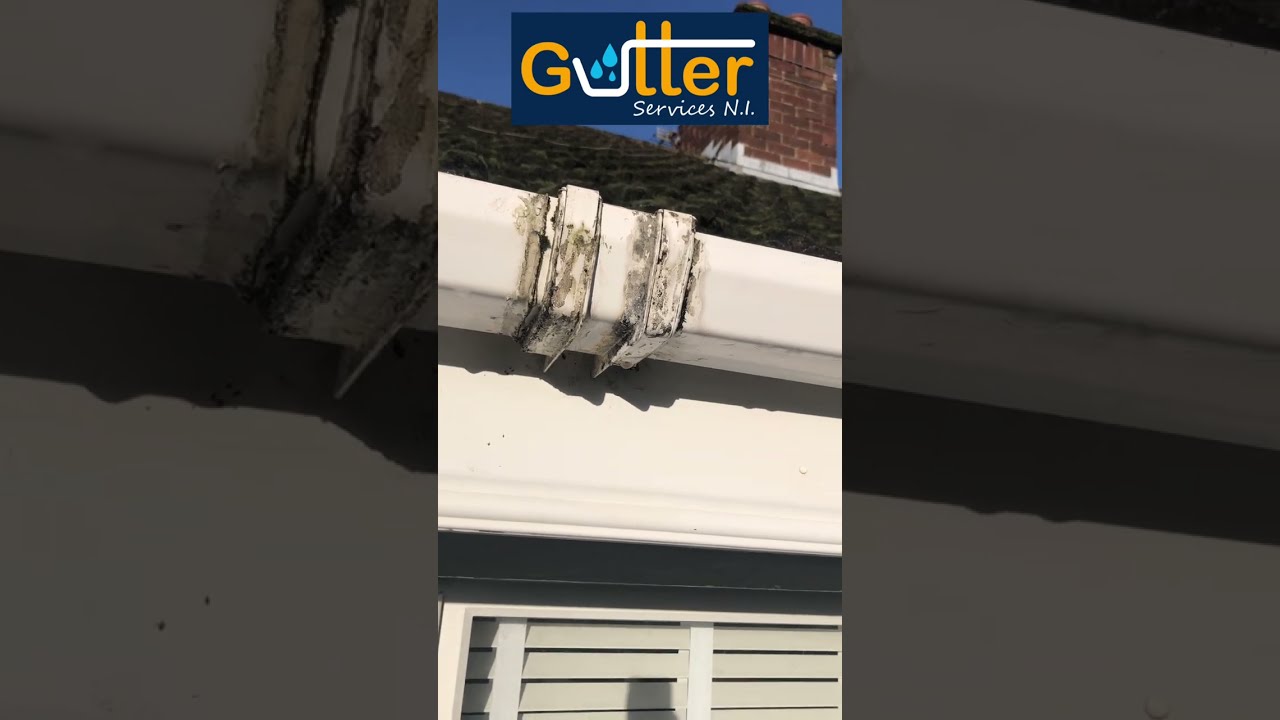
Overflowing or leaking gutters can saturate the wall below, causing staining, paint failure, and brick erosion. Damaged gutter repair is often the first step in protecting a repaired wall. Material-specific care matters:
- Aluminum gutter repair: Seal joints, replace dented or corroded sections, and make sure falls are correct so water flows to the downpipes.
- Copper gutter maintenance: Check solder joints, remove debris, and keep copper isolated from dissimilar metals to prevent galvanic corrosion.
- Commercial gutter services: Larger buildings often need high-capacity profiles and regular maintenance schedules, particularly with surrounding bushland dropping leaf litter.
Because of heavy tree cover https://roofingbluemountains.com.au/ and fire-safety considerations in the Mountains, many property owners also look at advanced gutter solutions such as quality leaf guards and non-combustible gutter mesh designed for bushfire-prone areas. Combined with comprehensive drainage solutions, including properly connected stormwater, agricultural drains where needed, and graded ground that slopes away from walls, these measures protect both walls and footings. A comprehensive gutter services approach inspects the entire system rather than only the visible leak.
Roof Issues That Affect Walls
Failed flashings, cracked tiles, and worn roofing allow water to track into wall cavities and top plates. Comprehensive roof repair and advanced roof repair techniques address these problems at the source. Depending on the home, this may include:
- Asphalt shingle replacement where shingles are curling, cracked, or missing granules.
- Cedar shake replacement where shakes have split, rotted, or become moss-covered. Note that bushfire attack level (BAL) requirements may limit timber roofing options in some areas.
- Complete roof installation or complete roofing replacement when the roof has reached the end of its serviceable life.
- Comprehensive roof reroofing and certified roof reroofing for projects that need full recovering with compliant materials and proper underlayment.
Choosing certified roof repair providers helps ensure the work meets current Australian Standards and the National Construction Code. Ongoing comprehensive roof maintenance, including annual inspections and clearing debris, helps prevent moisture from reaching wall structures.
Commercial Properties
Shops, offices, and accommodation businesses in the Blue Mountains face the same issues on a bigger scale. Commercial roof repair, commercial roofing, and commercial roof solutions that integrate with wall and drainage systems reduce downtime and long-term costs. A comprehensive roofing services provider can coordinate roof, gutter, and wall work together, and comprehensive roof replacement may be more cost-effective than repeated patching on aging commercial roofs.
Ventilation: Protecting Walls From Inside
Poor ventilation causes condensation, which leads to mould, peeling paint, and deteriorated linings. Blue Mountains homes can experience cold, damp winters and hot summers, so airflow in the roof space is important year-round.
- Attic ventilation installation and attic ventilation repair allow moist air to escape and fresh air to circulate.
- Attic heat reduction and attic cooling methods, such as ridge vents, eave vents, and powered or wind-driven extraction, reduce summer heat that can stress roofing materials and increase cooling costs.
- Comprehensive roof venting balances intake and exhaust so air flows effectively.
- Customized roof ventilation tailors the system to your roof shape, insulation, and local climate.
- Advanced ventilation techniques may include thermostat-controlled fans and ember-resistant vents suited to bushfire-prone areas.
In bushfire-prone zones, make sure any new vents comply with ember-protection requirements, typically using fine non-combustible mesh.
Finishing: Painting and Sealing for Lasting Protection
Once the structural and moisture issues are fixed, the finish determines how well the wall resists the weather. Comprehensive painting sealing combines surface preparation, appropriate primers, flexible fillers, and quality topcoats.
Key Steps
- Diagnose and repair: Fix the cause of cracking, damp, or deterioration first.
- Clean and prepare: Remove mould, loose paint, chalking, and salts. Allow walls to dry fully.
- Fill and seal cracks: Use flexible, paintable sealants for movement cracks and suitable fillers for static ones.
- Prime: Use a primer suited to the substrate, such as masonry sealer, stain blocker, or bonding primer.
- Apply topcoats: Use high-quality exterior acrylic or breathable mineral paints, in suitable weather.
- Final sealing: Seal around windows, doors, and penetrations to complete comprehensive sealing solutions.
Advanced painting techniques include elastomeric coatings that bridge fine cracks, breathable coatings for heritage masonry, and heat-reflective colours that help reduce thermal stress. For larger buildings, commercial painting sealing services offer scheduling flexibility, safe access equipment, and durable coatings built for high-traffic or exposed sites. A complete painting sealing package ensures nothing is skipped between repair and final coat.

When to Call a Professional
Minor cosmetic cracks can often be handled by a competent DIYer. Call a qualified professional when you notice:
- Cracks wider than 5 mm, or cracks that are growing
- Stair-step or horizontal cracking in brick
- Doors and windows that suddenly stick or no longer close properly
- Bulging, leaning, or separating walls
- Persistent damp, mould, or efflorescence
- Visible roof, gutter, or flashing damage above the affected wall
Older Blue Mountains buildings may be in heritage conservation areas, so check with Blue Mountains City Council about approvals before changing external materials or finishes. Also confirm that your contractor holds the appropriate licences and insurance.
Planning a Comprehensive Wall Repair
The best results come from treating your building as a connected system. A practical approach looks like this:
Start with a full inspection of walls, roof, gutters, drainage, and ventilation. Next, prioritise urgent safety and structural concerns, then fix water sources, then repair the wall itself, and finish with painting and sealing. Doing the work in this order prevents damage from recurring, which protects your investment through 2026 and for years beyond 2027.
Surface cracks might be what you see, but real, lasting repair looks deeper. Addressing the foundations, masonry, moisture, ventilation, and finishes together gives your Blue Mountains home or business walls that stay strong, dry, and attractive through every season.
Top Roofer Blue Mountains
Old Bathurst Rd, Blaxland NSW 2774, Australia
(02) 4703 9006